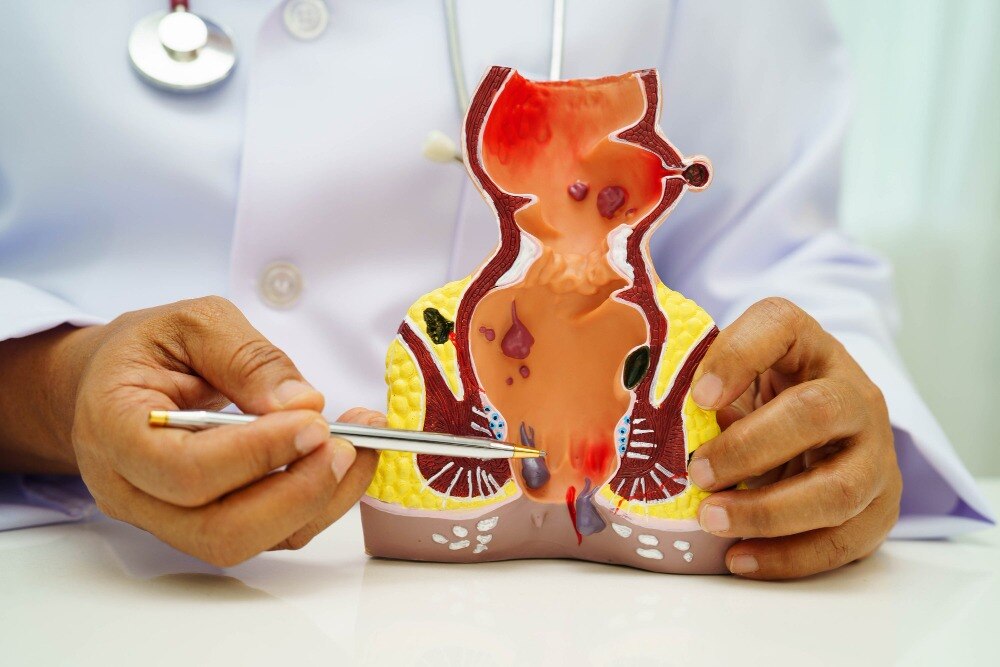
Anal bleeding, pain, swelling, discharge and changes in bowel control can result from several conditions, not only piles. You will learn how to recognise warning signs, choose the right clinician, prepare for an examination and compare treatments before booking care.
Key takeaways
- Seek same-day care for heavy bleeding, black stools, fainting, fever, or severe swelling.
- See a colorectal surgeon or surgical gastroenterologist for persistent anal symptoms.
- Bring medication details, prior reports, and a clear symptom timeline to your appointment.
- Ask about diagnosis, treatment alternatives, recovery time, recurrence risk, and total cost.
Which anal symptoms need urgent medical attention?
Heavy or persistent bleeding, black stools, fainting, dizziness, fever or chills with severe anal pain, rapidly increasing swelling, pus with systemic illness, or inability to pass stool or urine needs same-day urgent care.
| Symptom | Possible causes | What it means |
|---|---|---|
| Bleeding during or after a bowel movement | Haemorrhoids or anal fissure | Arrange assessment if bleeding persists; do not assume it is piles because polyps, inflammatory bowel disease and cancer can coexist. |
| Itching | Irritation, haemorrhoids or skin disease | Usually routine unless accompanied by bleeding, severe pain or a spreading rash. |
| Sharp, tearing pain | Anal fissure | Pain that prevents examination needs prompt review. |
| Painful lump | Thrombosed external haemorrhoid, abscess, infected cyst or, less commonly, malignancy | Rapid growth, severe tenderness or fever is urgent. |
| Pus, discharge or a recurring skin opening | Fistula-in-ano | A fistula often follows an abscess and usually needs procedural treatment. |
| Fever with anal pain and swelling | Perianal abscess | Seek same-day care; drainage is often required, and antibiotics alone are not a substitute in most uncomplicated abscesses. |
| Leakage | Sphincter injury, rectal prolapse or another bowel disorder | Book an assessment, especially after childbirth or surgery. |
| Difficulty passing stool | Anal stricture, severe pain or obstruction | Inability to pass stool or urine is an emergency. |
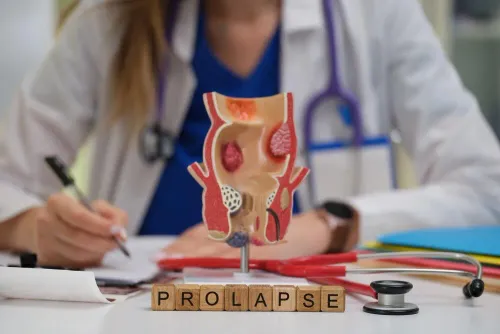
Pilonidal disease, rectal prolapse and anal cancer also require clinical assessment. An anus specialist in Pune can examine the area and use digital examination, anoscopy or examination under anaesthesia when pain makes assessment difficult.
Which clinician should you see for an anal complaint?
Start with the emergency department if pain is severe or rapidly worsening, or if you have fever, heavy bleeding, fainting, difficulty urinating or suspected bowel obstruction.
| Option | Best starting point | When it applies |
|---|---|---|
| Emergency department | Immediate assessment and treatment | Severe pain, fever, heavy bleeding, fainting, urinary difficulty or suspected obstruction |
| General physician | Initial examination and referral | A mild, new anal symptom without warning signs |
| Gastroenterologist | Digestive-tract evaluation and colonoscopy planning | Bleeding with altered bowel habit, abdominal symptoms, inflammatory bowel disease or suspected colonic disease |
| Proctologist | Anorectal assessment | Confirm the doctor’s recognised qualification and current medical registration; the label itself is not a standard qualification |
| Colorectal surgeon | Direct specialist assessment and surgical planning | Recurrent abscess, fistula, prolapse, complex fissure, anal stricture, suspected cancer or symptoms requiring surgery |
A colorectal surgeon is trained to assess diseases of the anus, rectum and colon. A gastrointestinal surgeon may also treat anorectal disease, so ask specifically about current anorectal and colorectal case experience.
Do not assume bleeding is piles. Fissure, fistula, abscess, inflammatory bowel disease, polyps and colorectal cancer can coexist with haemorrhoids. Ask, “What diagnosis are you considering, and which examination or test will confirm it?”
Search terms such as anus doctor in Pune and anal condition specialist in Pune are useful for finding care, but not for verifying expertise. Check the clinician’s qualification, registration and experience with your exact problem.
What happens at the first consultation and how should you prepare?
At arrival, a colorectal surgeon in Pune will ask about bleeding pattern, pain, bowel frequency and stool consistency, straining, time on the toilet, discharge, continence, weight loss, fever, pregnancy or childbirth-related injury, previous anorectal operations, and family history of colorectal cancer.
Prepare by:
- Bring prior reports and a medication list, including the names and doses of warfarin, apixaban, rivaroxaban, clopidogrel or aspirin. Do not stop these medicines without instructions.
- Wear loose clothing that is easy to change.
- Ask whether an enema or other preparation is needed for anoscopy or a planned procedure.
Most external inspections and digital rectal examinations need no bowel preparation. The clinician may inspect the skin, examine inside with a gloved finger, then use an anoscope to view the anal canal. Severe pain can make examination under anaesthesia safer.
| Investigation | What it does | When it is considered |
|---|---|---|
| Colonoscopy | Examines the colon and permits biopsy or lesion removal | Bleeding, altered bowel habit, anaemia, weight loss or cancer risk |
| Ultrasound, MRI pelvis or CT | Maps a fistula, abscess, mass or deeper disease | Findings extending beyond the anal canal |
| Biopsy | Provides a tissue diagnosis | Suspected cancer |
A biopsy is required to diagnose suspected cancer. Ask whether someone should accompany you after sedation or an operation. A consultation with Dr. Mahesh Thombare Surgical Gastroenterologist in Aundh can help review complex anorectal symptoms, reports and surgical choices.
Related services
Colorectal Surgery in Aundh, Pune Colorectal Surgery in Aundh, Pune Dr. Mahesh Thombre Colorectal Surgeon in Aundh, Pune – Dr. Mahesh Thombre Colorectal surgery is a specialised branch of surgery that focuses on the... |
Anus Anus What is Anus? The anus is the opening at the end of the digestive tract through which solid waste (feces) is eliminated from the body. |
How are piles, fissures, fistulas and abscesses treated?
Treatment depends on the diagnosis, severity and sphincter risk, not the procedure name alone.
| Condition | Usual treatment | When treatment changes |
|---|---|---|
| Haemorrhoids | Fibre, adequate fluids, stool-softening measures, less straining and less toilet time. | First-degree internal haemorrhoids bleed without prolapse; second-degree prolapse with straining but reduce themselves; third-degree need manual reduction; fourth-degree remain prolapsed. Rubber-band ligation suits many internal haemorrhoids, not every external haemorrhoid or advanced prolapse. Haemorrhoidectomy is more definitive for advanced disease but usually causes more postoperative pain. |
| Anal fissure | Fibre, fluids, stool softeners and warm sitz baths. Persistent fissures may need topical nitroglycerin or a topical calcium-channel blocker. | Selected chronic fissures may need botulinum toxin or lateral internal sphincterotomy. Discuss the incontinence risk carefully if you already have leakage, childbirth-related sphincter injury, inflammatory bowel disease or previous anorectal surgery. |
| Abscess | Drainage is usually required. | Repeated antibiotics alone do not replace drainage for most uncomplicated abscesses. |
| Fistula-in-ano | A simple, low tract may suit fistulotomy. | A tract crossing substantial sphincter muscle may need a seton or sphincter-sparing procedure. Complex, recurrent, multiple-opening or Crohn’s-related fistulas require colorectal assessment. |
| Stricture, prolapse or anal cancer | Treatment is condition-specific. | Cancer requires biopsy, staging and multidisciplinary care; persistent bleeding needs investigation rather than automatic attribution to haemorrhoids. |
An anal condition specialist in Pune should explain how the proposed treatment protects continence, what happens if it fails and why it fits your anatomy. A colorectal surgeon or gastrointestinal surgeon with current anorectal experience is the appropriate choice for complex disease.
What should you ask before choosing treatment in Pune?
Choose care by what the clinician can explain and document, not by the search label. An anus specialist in Pune and anus doctor in Pune are lay terms; verify a recognised surgical qualification, current medical registration and experience with your exact problem, especially fistula, abscess, prolapse, anal stricture or suspected cancer.
A colorectal surgeon in Pune or gastrointestinal surgeon should explain why the treatment fits your anatomy and what alternatives exist.
Ask these questions before consenting:
- Is it office-based or an operation? Will you need local or general anaesthesia, bowel preparation, time away from work or a companion afterward?
- What happens if it fails? What is the expected recurrence risk, and could it affect continence?
- How will you manage the wound, and which symptoms require emergency review?
| Question | Why it matters | Record the answer |
|---|---|---|
| What is the diagnosis? | Confirms whether examination, imaging or biopsy is needed | Condition and test |
| What is the alternative? | Prevents choosing a procedure by name alone | Options and trade-offs |
| What is the follow-up plan? | Identifies failure or complications early | Date and warning signs |
For suspected cancer, ask whether biopsy, MRI pelvis, CT staging or referral to a cancer team is needed. Anal squamous-cell carcinoma is not treated like rectal cancer; localised disease commonly uses combined chemotherapy and radiotherapy rather than immediate removal of the anus.
Take a written symptom timeline and medication list, including anticoagulants and antiplatelet medicines.
Frequently asked questions
Which anal symptoms need urgent medical attention?
Seek same-day urgent care for heavy or persistent bleeding, black stools, fainting, dizziness, fever or chills with severe anal pain, rapidly increasing swelling, pus with systemic illness, or inability to pass stool or urine.
Which clinician should you see for an anal complaint?
A colorectal surgeon or surgical gastroenterologist can assess persistent anal pain, bleeding, lumps, discharge, fissures, fistulas, abscesses and suspected piles. Seek emergency care for severe symptoms.
What happens at the first consultation for an anal complaint?
The clinician reviews your symptoms, bowel habits, medicines and medical history, then examines the area. Bring previous reports, a medication list, allergy details and a timeline of symptoms.
How are piles, fissures, fistulas and abscesses treated?
Treatment depends on the diagnosis and severity. Options can include fibre and stool-softening measures, medicines, drainage for an abscess, or procedures and surgery for persistent piles, fissures or fistulas.
What should you ask before choosing treatment in Pune?
Ask for the confirmed diagnosis, alternatives to the proposed treatment, anaesthesia and recovery details, recurrence risk, warning signs, follow-up plan and the complete expected cost.
Keywords